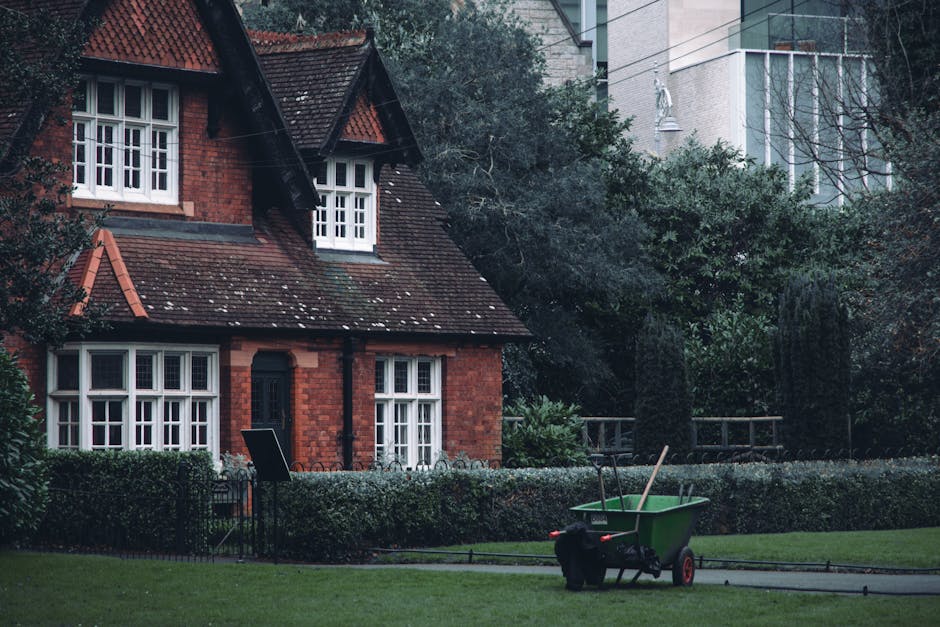
Lawn Mowing in Forest Hill

We provide lawn mowing in Forest Hill for homes and businesses that want neat, even grass cut with care and regular attention. The service is focused on clean results, tidy edges and sensible upkeep, whether the lawn is a small front patch, a wider garden lawn or a shared green space that benefits from a consistent mowing pattern. Our work is built around straightforward maintenance, so the grass stays presentable without unnecessary fuss.
Alongside the mow itself, we can support general lawn presentation with edging, strimming around borders and a finish that helps the whole outdoor area look considered rather than rushed. Where lawns need a little more attention, we can also look at the surrounding growth so paths, fence lines and borders do not distract from the main surface. Good lawn care is often about the details, and the right cutting pattern can make a noticeable difference to the overall appearance.
If you are comparing options, use the pages below to see the main services and request a quotation when you are ready. For a broader overview of what is offered, start with the services overview and then move on to the pages that match the work you need.
Regular mowing and seasonal upkeep
Regular mowing keeps grass growth more manageable and helps prevent the lawn from becoming patchy or uneven. We can work to a routine that suits the season and the condition of the grass, with attention to cut height and finish so the lawn looks cared for rather than simply shortened. In practical terms, this is the core of lawn maintenance: repeated, steady attention that keeps the space usable and tidy.
For customers who want a little more than a basic cut, the service can be combined with broader outdoor maintenance through our garden maintenance page. That is useful where the lawn sits alongside beds, borders, paths and other features that all need a coordinated approach. The aim is not to overcomplicate the job, but to keep the visible parts of the garden working together.
Seasonal growth changes the way mowing should be handled. In stronger growing periods, a shorter interval between cuts can help the grass stay even, while slower periods may call for a lighter touch. The point is to keep the lawn healthy-looking and manageable. If you are unsure how often the lawn should be cut, it is sensible to ask for a quotation based on the present condition rather than guesswork.
Finishing touches that improve the result

Clean lawn work is rarely just about the centre of the grass. Edges around paving, walls and borders often define whether a garden looks finished, so we give attention to trimming where the mower cannot reach comfortably. A careful edge can sharpen the whole scene, especially around paths, patios and narrow sections where growth tends to spread unevenly. That extra refinement helps the final cut look deliberate.
Where grass has grown close to shrubs, fencing or planting beds, a more detailed pass may be needed. This is particularly relevant in gardens that have not been cut for a while or where access is awkward around fixed features. In those cases, the mower, strimmer and hand finishing all have a role. If your outside space also needs broader shaping or reworking, the landscape gardening page explains a wider set of related outdoor improvements.
Some customers simply want a neat, repeatable finish each time; others need the lawn brought back to a presentable standard after a period of neglect. Both can be handled with the same steady, practical approach, but the starting point will affect the level of attention required. Clear access and a short description of the current condition are usually enough to help shape the work and prepare a sensible quotation.
Lawn care for different property types
Lawn mowing is not a one-size-fits-all task. Front gardens, rear lawns, shared spaces and larger plots can all call for different handling, especially where the grass surface changes from open areas to narrow edges or interrupted sections. We work with the shape of the space rather than trying to force every job into the same pattern. That means the finish is planned around what is actually there.
Where a property has a broader outdoor layout, the lawn may sit alongside hedges, paths, decked areas or planted borders that affect how the mowing is completed. In such cases, it can be helpful to look at linked services such as hedge trimming or decking services if those features also need attention. The value of the lawn work is often in how well it sits within the rest of the space.
Different clients also have different expectations about presentation. Some want the grass kept trim for day-to-day neatness, while others want the lawn to support a more polished outdoor setting for family use, visitors or tenants. A good mowing service respects that difference and focuses on a tidy, even cut that suits the property rather than forcing a single style of finish.
Additional garden work that supports mowing

In many cases, mowing is just one part of keeping an outside area under control. If the garden also has overgrown sections, a build-up of cuttings or areas that need clearing before the mower can be used effectively, then the work may need to be planned alongside other tasks. That is why a service such as garden clearance can be relevant when the lawn is not yet ready for routine maintenance.
When a lawn has become affected by surrounding growth, the overall result can look untidy even if the grass itself is cut well. Clearing away loose debris, managing edges and removing obstruction from the working area can improve the quality of the finish. For properties with larger plant growth or branches that interfere with safe access, the tree lopping and removal page may also be useful as part of a wider plan.
Not every customer needs the same level of intervention. Some lawns simply need a straightforward mow and tidy, while others benefit from a more considered reset before regular upkeep begins. The important point is to match the task to the current condition of the space. If you are preparing to ask for a quotation, it helps to describe what the lawn looks like now and what sort of finish you want to achieve.
What a quotation can cover
A quotation for lawn mowing normally depends on a handful of practical details: the size of the area, how long the grass has been left to grow, how much edging or trimming is needed and whether there are access issues around the property. Those factors matter because they shape the time and equipment needed to complete the work properly. A clear description of the lawn helps set a sensible expectation from the start.
It is also useful to say whether the work is a one-off visit or part of a repeating arrangement. A recurring mow tends to be planned differently from a first cut on a lawn that has become overgrown, and the price structure may reflect that difference. For general information about pricing-related topics, you can view the pricing and quotes page before sending your details.
To help keep the process efficient, many people find it useful to note the main access points, any surfaces that need protecting and any parts of the lawn that are particularly uneven. This does not need to become a long specification; a concise description is usually enough. The goal is to make the quotation realistic and aligned with the work that actually needs doing.
Getting ready for the work
If you are arranging lawn mowing, a little preparation can make the visit smoother. Moving small obstacles, garden furniture or toys from the working area can save time and allow the grass to be cut more evenly. It also reduces the chance of missing spots around objects. Where access gates or side entrances are involved, it helps to mention them clearly when you make the enquiry.
For larger gardens or mixed outdoor spaces, photographs can be helpful when requesting a quotation, especially if the lawn shape is irregular or partly hidden. A short written note about the current condition is equally useful. If you want to describe a broader set of requirements, the about us page may help you understand the general approach of the business before you proceed with a request.
There is no need to overstate the condition of the lawn or provide long explanations. What matters is accurate information about access, size and the work you want completed. Simple, clear details make it easier to prepare a quotation that reflects the actual job. If you are ready, a brief enquiry is enough to begin.
Work that sits alongside lawn mowing

Some outdoor spaces need more than cutting alone. Borders can become bulky, shrubs may need reduction and the general layout may benefit from shaping so the lawn is shown to better effect. When the grass is one part of a wider plan, linked services can help keep the whole area coherent. The landscaping page is a useful next step if you are considering changes beyond routine maintenance.
A well-kept lawn often depends on what surrounds it. If hedges are overhanging, the cut can feel cramped; if pathways are cluttered or planting spills out, the lawn may not read as cleanly as it should. Good mowing therefore works best within a wider maintenance pattern that manages the rest of the garden with equal care. That does not mean every job needs a redesign, only that the main surface should be viewed in context.
Some customers prefer to arrange mowing on its own, while others want it linked to a broader tidy-up. Both approaches are valid. The key is to decide how much work is needed before asking for a quotation, so the proposal matches the actual condition of the space rather than an idealised version of it.
About Forest Hill
Forest Hill is a district in the London Borough of Lewisham, in south-east London, and is known for a mix of residential streets, local shopping areas and notable cultural landmarks. The name is commonly associated with the elevated ground of Sydenham Hill and the areas around London Road and Dartmouth Road, where shops, transport routes and housing create a busy local centre. One of the best-known landmarks is the Horniman Museum and Gardens, founded by Frederick John Horniman and opened in 1901, which combines museum collections with landscaped outdoor space and wide views across the city. The district also includes Forest Hill station, an important rail link that has helped shape its growth as a connected suburban place. Much of the local architecture reflects late nineteenth- and early twentieth-century expansion, with terraces, villas and later residential developments sitting alongside newer buildings and commercial frontages. The area has a practical urban character rather than a single dominant historic core, yet it retains clear local identity through its streets, green spaces and community facilities. Nearby green corridors and open land contribute to its residential appeal, while the mix of everyday services, schools and cultural destinations gives the district a lived-in feel. Forest Hill is therefore both a transport-connected part of inner south-east London and a neighbourhood with its own recognisable features, shaped by its railway history, its hilltop setting and the enduring presence of the museum and gardens.
Ongoing maintenance for a consistent finish
Once a lawn is brought into good order, regular mowing helps keep it that way. The aim is not simply to reduce height, but to preserve an even appearance across the whole surface. Repeated attention also makes it easier to notice changes in the condition of the grass, such as thin patches, coarse growth or areas where edges have begun to spread. That makes ongoing maintenance more effective than treating the lawn as a one-off task.
We can help with maintenance that keeps the lawn aligned with the rest of the garden over time. If your outdoor space needs other supporting work, such as continuing care for shrubs or general tidying, the garden maintenance page gives a useful starting point. In many properties, the best result comes from combining mowing with sensible upkeep of the surrounding features, so the whole space looks looked after.
When comparing options, think about what sort of finish matters most to you: short and crisp, slightly softer, or simply regular enough to stop the lawn from becoming unruly. A quotation request can reflect that preference. The more clearly you describe the desired result, the easier it is to shape the work appropriately and keep the standard consistent.
Request a quotation for lawn mowing

If you need lawn mowing in Forest Hill, the simplest next step is to ask for a quotation based on the size and condition of the lawn. Include the main access points, whether the grass is currently manageable or overgrown, and whether you want a one-off visit or regular maintenance. That gives a practical basis for setting out the work and helps make the response relevant to your property.
Where the lawn is part of a larger outdoor project, it can be useful to mention any related tasks at the same time, such as hedge cutting, clearance or wider landscaping. That way the quotation can reflect the overall scope rather than a single isolated task. Clear, concise details are usually enough to begin, and you do not need to prepare anything elaborate in advance.
Request a quotation when you are ready, and we will help you move from an untidy lawn to a cleaner, more manageable finish. If you would like to review policies before getting in touch, the relevant information is available through the site pages already listed.